
From Theology to Thesis
by Dee Ann Loving-Tackitt

“Come now, let us reason together, says the Lord.”
—Isaiah 1:18 (ESV)
An Unexpected Writing Lesson
One of the unexpected blessings of my work reviewing student papers at Liberty University is that I get to step into conversations I might never have joined otherwise. In a single week, I may read papers on theology, Shakespeare, police reporting, leadership, education, ministry, history, and any number of subjects in between. Whatever the topic, I find myself discussing the same three things with students: their thesis, the structure of the paper, and the clarity of their writing.
A good paper has a clear destination. A reader should be able to identify the argument, follow the organization, and understand where the writer is leading them. Because of that, I am always looking for the thesis.
So imagine my surprise as I sat working on my own doctoral homework this week. I found myself stopping in the middle of a reading assignment—not because I disagreed with the author, but because the writing was so skillfully constructed that I had to analyze it. The introduction was engaging. The conclusion was memorable. The structure was excellent. Yet something unusual was happening.
The thesis was not in the introduction. That almost never happens. As I tell my students, every paper needs a thesis. I often use what I call the Hamburger Thesis. A purpose statement simply announces a topic: “This paper will discuss hamburgers and their ingredients.” That statement tells the reader the topic, but it does not make a claim. A thesis, however, makes a claim: “Hamburgers are a popular meal because they are convenient, affordable, and customizable.” In that sentence, hamburgers are the topic, and the claim is that they are popular for their convenience, affordability, and customization. The supporting reasons become the body of the paper. In other words, a strong thesis tells readers not only what the writer is discussing, but what the writer believes about it.
That is why this week’s reading stopped me in my tracks. As someone who spends a great deal of time helping students identify thesis statements, I expected to find the author’s central claim near the beginning. Instead, he carefully led his readers through history, challenges, and observations before finally revealing the heart of his argument near the conclusion.
Pulling Up a Chair
And the metaphor was beautiful. The author described theological research as entering an ongoing conversation. I often think about what a privilege it is to sit down and join the conversation.
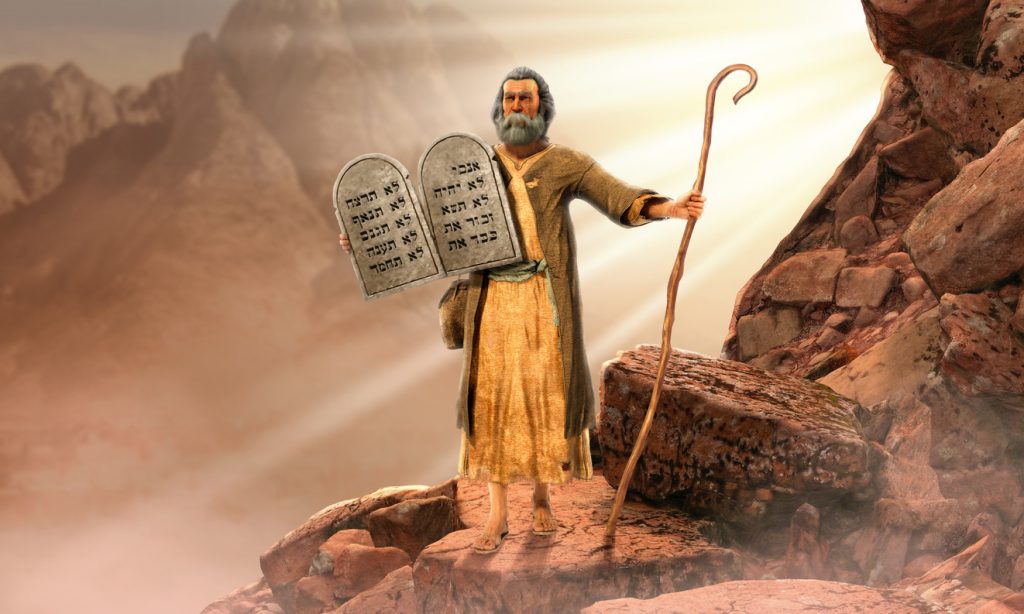
What conversation? The conversation that began long before us. When we open our Bibles, we enter a conversation that stretches across centuries:
Moses speaks. David sings.
Isaiah proclaims. Matthew testifies.
Paul reasons. John worships.
Then the church fathers join in.
Augustine wrestles with grace.
Luther raises difficult questions.
Calvin examines Scripture.
Countless pastors, missionaries, scholars, and faithful believers add their voices, each attempting to understand and proclaim the Word of God more clearly.

And then, somehow, by God’s grace, we are invited to pull up a chair! What an astonishing thought!
More than Information
Too often, we approach theological study as a task to complete, a class to pass, or a paper to write. We rush toward the assignment and miss the invitation. Theology is not merely collecting information. It is learning to listen carefully to those who have wrestled with Scripture before us while simultaneously listening to the voice of God through His Word.
The Apostle Paul told Timothy:
“What you have heard from me in the presence of many witnesses entrust to faithful men, who will be able to teach others also.”
—2 Timothy 2:2
Notice the pattern. One believer speaks. Another listens. Then that believer teaches the next generation. The conversation continues.
This is discipleship.
It is also scholarship at its best.
Every meaningful theological contribution begins with humility. We do not arrive at the table as experts who have discovered something no one has ever seen. We arrive as learners. We listen. We ask questions. We read. We pray. We wrestle with the text. Then, perhaps, God allows us to offer something useful to the discussion.
A Conversation Across the Centuries
The conversation is bigger than any one denomination, professor, pastor, or student. It spans continents and centuries. It includes believers whose first language was Hebrew, Greek, Latin, German, English, Spanish, and countless others. Some of the voices are brilliant. Some are ordinary. Yet together they testify to the greatness of God.
That is why I love theological study.
Not because I expect to master every subject. Not because I have enough years left to read every book. Certainly not because I think I have all the answers.

The Hidden Thesis
By delaying his central claim until the conclusion, the author invited readers into the conversation before explaining it. Only near the end did he reveal what had been true all along: theological research is not merely about gathering information—it is about joining a discussion that began before we were born and will continue long after we are gone.
So the next time someone wonders why you spend hours reading theology, studying Scripture, writing papers, or researching a difficult biblical question, perhaps the simplest answer is this:
You are joining the conversation.
And what a blessing it is to have a seat at the table.
Prayer
Heavenly Father,
Thank You for inviting us into the great conversation of faith. Thank You for Your Word, for the generations of believers who have faithfully studied it, and for the privilege of learning from them. Give us humble hearts eager to listen, disciplined minds seeking truth, and faithful voices honoring You. Help us not to pursue knowledge for its own sake, but to know You more deeply and to serve others more faithfully. May every book we read, every paper we write, and every discussion we enter draw us closer to Jesus Christ.
May we never take for granted the opportunity to sit at the table with Your people—past and present—and learn together under the authority of Your Word. Teach us to listen well, think deeply, speak graciously, and walk humbly before You. In the name of Jesus, our Teacher, Savior, and Lord,
Amen.
Resource: Kibbe, Michael. From Topic to Thesis : A Guide to Theological Research. Downers Grove, Illinois: InterVarsity Press, 2016.