
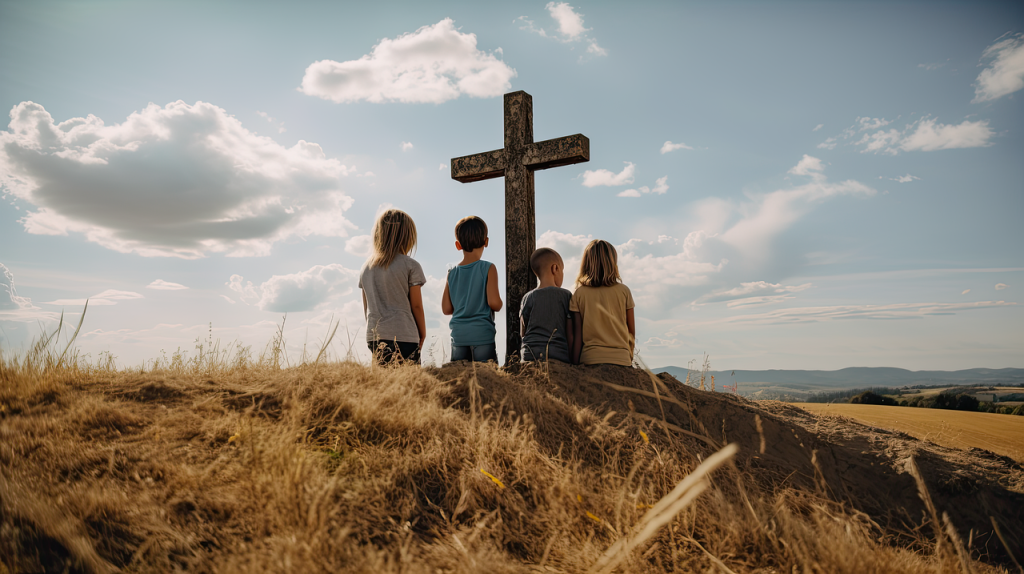
“Be still, and know that I am God.
I will be exalted among the nations,
I will be exalted in the earth!” — Psalm 46:10
Yesterday was a busy day! My mind was already rehearsing everything on the schedule: a discussion thread for my Theology of the Gospel class, breathing exercises, and those pesky diphthongs and consonants slowing me down as I practiced the two contest pieces for The Sweet Adelines. My sisters in the group are so graceful—their movements flow effortlessly from their beautiful singing. How do they do that? Their unity, precision, and blend make every rehearsal feel like stepping into something artful and spiritual at the same time.
But as I moved into the rhythm of my morning, I suddenly realized I was stepping into my day without King Jesus. My heart wanted to be still. I wanted to listen. I wanted to walk with Him, not ahead of Him—so He could show me how even my simple, ordinary day could be used to further His Kingdom. It was in that quiet awareness that the Holy Spirit spoke so gently to my spirit: “Be still and know that I am God.”
Be still. Even the words felt like a soft place to rest.
A Closer Look at Psalm 46:10
Psalm 46:10 marks the climax of the psalm, where the voice shifts dramatically from human speakers to God Himself. It moves from describing God to hearing directly from God. It is an invitation, not just a statement.
“Be still”
The Hebrew command does not simply mean “be quiet” or “calm down.”
It means:
- Lay down your weapons.
- Stop striving.
- Cease your war.
It’s a call to stop fighting battles that belong to God.
“Know that I am God”
This is not about having all the answers or understanding every detail of God’s timing. This knowing is:
- recognizing God’s ultimate sovereignty,
- trusting Him when the script is unclear,
- surrendering control.
And God’s sovereignty is not small or private—it stretches among the nations and throughout the earth. His glory is not limited to one moment or one people. It is universal.
What It Meant to the Original Audience
Psalm 46 was a declaration of trust in the midst of overwhelming threat. Scholars identify the probable historical backdrop as the terrifying advance of Sennacherib’s Assyrian army. Nations were raging, kingdoms were shaking, and everything around them screamed danger.
Yet the refrain carried Israel through:
God is with us.
God is our refuge.
God is our peace—even when creation itself trembles.
The psalm offered ancient Judah the same thing it offers us today: unshakeable confidence in an unshakable God.
Why It Matters Today
Our world, too, feels loud:
- natural disasters,
- climate anxieties,
- wars and rumors of wars,
- personal chaos and constant noise.
Psalm 46 speaks directly into our age of hurry. It is a soundtrack for human anxiety. Mountains quake, waters roar, nations rise and fall—and our hearts do the same.
God’s invitation to stillness is not an escape or self-manufactured calm. True stillness begins with Him.
With knowing Him.
With receiving His peace rather than producing our own.
In fact, when read through an eschatological lens—a vision of God’s final victory—the psalm becomes even more powerful. It reminds us:
The world may shake,
but God does not.
And one day every nation and every corner of the earth will exalt Him.
Let it be so in my life.
Let it be so in your life.
A Prayer
Heavenly Father,
I come before You, letting go of my busyness and lifting my hands in exaltation, because You will be exalted in the earth. I choose not to fight against Your will. I gladly make You sovereign in my heart and in my day.
Receive my praise—why it is worthy to enter Your presence is a mystery I will never understand this side of heaven. But I offer it in faith. I acknowledge You as the Supreme God of my life and proclaim Your greatness with all I am.
Alleluia!
In Jesus’ precious name,
Amen.